Know Your Chronotype!
Are You A Lark, Owl or Hummingbird?
There are lots of factors that contribute to our preferred sleep schedule. The most important one called “chronotype.” It turns out that our DNA has a strong influence on when we like to sleep. We all fell into one of three major chronotypes; night owls (late night insomnia), morning larks (early morning insomnia) and intermediate insomniacs ( mid-sleep awakening). Chronotype refers to the sleep/wake center in our brains that regulates sleep and wake habits. Many of us have sleep problems because this 'body clock' isn't functioning properly.
 The chronotypes determine not only our natural sleep patterns, but when we’re at our most alert, productive and creative, as well as when we’re most likely to benefit from a nap. Chronotypes seem to be mostly hardwired, and likely have a genetic factor. We may force ourselves awake at unnatural hours, but we will never function at our best that way – and may even make ourselves sleep deprived to the point of psychosis.
Delayed Circadian Rhythm - Owls
Some people have a circadian clock that makes them “evening types.” Their body clocks run a bit slow, so their daily cycle (or circadian rhythm), releases the sleep/wake signals later than normal. This is why night owls can't seem to wind down till late at night and then struggle to get up in the morning. No matter how hard they try to fall asleep at the right time, they can't because their body clock hasn't released the sleep neurotransmitters. This is also why morning time can be so difficult; at 7:00 am, their body clock still think it's midnight and not ready to release the active, energetic signals for hours.
They’d rarely rise before 10am or even noon, if given their druthers, and in our 9-5 culture, they not only need an alarm clock, they may need several alarms and a gallon of coffee to function at all during the hours their body wants to sleep. This also explains why changing sleep routine doesn't work (going to bed earlier, using relaxation techniques, etc.).
Some night owls have delayed sleep phase disorder. This involves a struggle to conform to work or social demands. It can be difficult for them to function well during the day. Twenty percent of the population are more owls in their patterns, being at their best in the evenings and even late night hours.
Advanced Circadian Rhythm - Larks
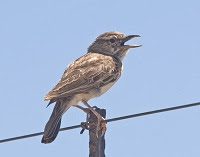 Other people are natural “morning types.” These “larks” prefer to go to bed early and wake up early. Their body clocks tend to run a bit fast, which means they tire and fall asleep easily, but wake up earlier than desired. About ten percent of us qualify as larks – rising early often around six am without an alarm and singing through a caffeine free breakfast. These morning people are most productive in the mornings, at their sharpest around noon, and drowsy in the early evening, going to bed around 9pm.
Some larks have advanced sleep phase disorder. In this case the body clock releases the night time hormones and neurotransmitters long before we are ready to go to sleep. The result is that by the time 'morning larks' fall asleep, their body clock may already be halfway through its sleep cycle, and so they wake up far too early. In fact, as we age, more of us experience this early morning insomnia. Again in this case modifying sleep habits will do little to fix the problem.
Intermediate Chronotype - Hummingbirds
Not everyone fits neatly into the categories of morning or evening types. Hummingbirds account for the rest of the population, flitting somewhere between the other two types, some preferring to stay up a little later, some to wake a little earlier. Intermediate chronotypes may exhibit signs of either delayed or advanced problems, but usually awaken in the middle of the night and fall asleep again.
Night Owls Suffer Worst from Insomnia
One reason insomnia hits night owls worse is because they constantly battle with trying to fall asleep; after all, at least those with early morning or intermittent insomnia are able to get some sleep before struggling with unwanted wakefulness. Although all groups have about the same lack of sleep, night owls are more aware of it. They are more concerned about their lack of sleep than others, which may lead to frustration, irritability and depression. Night owls are more obsessed with their sleep problems, and this added worry perpetuated the sleep problem.
So do larks have an advantage over owls? After all, it was Benjamin Franklin who said, “Early to bed and early to rise, makes a man healthy, wealthy, and wise.”
How to fix your body clock
The good news is that recent researchers have learned how body clocks work and how to regulate them. Because the body clock sends out daily sleep/wake signals, it looks for feedback or cues to tell it what time it is. The most powerful cue is bright light like morning sunshine, but researchers have discovered that a specific color and intensity found in sunshine is responsible for this beneficial reaction.
A special receptor in the eye is responsible for signalling the body clock, and this 'melanopsin' receptor was sensitive to light-blue light. This discovery is called the 'action spectrum of light ', and scientists advise to use this light to reset the body clock. Because the action spectrum is so effective, only 15 minutes daily exposure is needed to keep body clocks working properly.
When should I use blue light?
Since people's body clocks act differently, light therapy needs to be used at certain times of the day. For example, for those with slow body clocks (delayed circadian rhythms), morning light is best. For morning larks, evening light slows down the body clock, allowing it to release the sleep signals later into the night and early morning, like normal.
Many factors such as genetics and light exposure affect when you are sleepy and alert. A new study results show that females tend to go to bed earlier and sleep longer than males. The study even found a significant but small “season of birth” effect. People born in spring and summer went to bed later than those who were born in fall and winter.
Are You A Lark, Owl or Hummingbird?
There are lots of factors that contribute to our preferred sleep schedule. The most important one called “chronotype.” It turns out that our DNA has a strong influence on when we like to sleep. We all fell into one of three major chronotypes; night owls (late night insomnia), morning larks (early morning insomnia) and intermediate insomniacs ( mid-sleep awakening). Chronotype refers to the sleep/wake center in our brains that regulates sleep and wake habits. Many of us have sleep problems because this 'body clock' isn't functioning properly.
The chronotypes determine not only our natural sleep patterns, but when we’re at our most alert, productive and creative, as well as when we’re most likely to benefit from a nap. Chronotypes seem to be mostly hardwired, and likely have a genetic factor. We may force ourselves awake at unnatural hours, but we will never function at our best that way – and may even make ourselves sleep deprived to the point of psychosis.Delayed Circadian Rhythm - Owls
Some people have a circadian clock that makes them “evening types.” Their body clocks run a bit slow, so their daily cycle (or circadian rhythm), releases the sleep/wake signals later than normal. This is why night owls can't seem to wind down till late at night and then struggle to get up in the morning. No matter how hard they try to fall asleep at the right time, they can't because their body clock hasn't released the sleep neurotransmitters. This is also why morning time can be so difficult; at 7:00 am, their body clock still think it's midnight and not ready to release the active, energetic signals for hours.
They’d rarely rise before 10am or even noon, if given their druthers, and in our 9-5 culture, they not only need an alarm clock, they may need several alarms and a gallon of coffee to function at all during the hours their body wants to sleep. This also explains why changing sleep routine doesn't work (going to bed earlier, using relaxation techniques, etc.).
Some night owls have delayed sleep phase disorder. This involves a struggle to conform to work or social demands. It can be difficult for them to function well during the day. Twenty percent of the population are more owls in their patterns, being at their best in the evenings and even late night hours.
Advanced Circadian Rhythm - Larks
Other people are natural “morning types.” These “larks” prefer to go to bed early and wake up early. Their body clocks tend to run a bit fast, which means they tire and fall asleep easily, but wake up earlier than desired. About ten percent of us qualify as larks – rising early often around six am without an alarm and singing through a caffeine free breakfast. These morning people are most productive in the mornings, at their sharpest around noon, and drowsy in the early evening, going to bed around 9pm. Some larks have advanced sleep phase disorder. In this case the body clock releases the night time hormones and neurotransmitters long before we are ready to go to sleep. The result is that by the time 'morning larks' fall asleep, their body clock may already be halfway through its sleep cycle, and so they wake up far too early. In fact, as we age, more of us experience this early morning insomnia. Again in this case modifying sleep habits will do little to fix the problem.
Intermediate Chronotype - Hummingbirds
Not everyone fits neatly into the categories of morning or evening types. Hummingbirds account for the rest of the population, flitting somewhere between the other two types, some preferring to stay up a little later, some to wake a little earlier. Intermediate chronotypes may exhibit signs of either delayed or advanced problems, but usually awaken in the middle of the night and fall asleep again.
Night Owls Suffer Worst from Insomnia
One reason insomnia hits night owls worse is because they constantly battle with trying to fall asleep; after all, at least those with early morning or intermittent insomnia are able to get some sleep before struggling with unwanted wakefulness. Although all groups have about the same lack of sleep, night owls are more aware of it. They are more concerned about their lack of sleep than others, which may lead to frustration, irritability and depression. Night owls are more obsessed with their sleep problems, and this added worry perpetuated the sleep problem.
So do larks have an advantage over owls? After all, it was Benjamin Franklin who said, “Early to bed and early to rise, makes a man healthy, wealthy, and wise.”
How to fix your body clock
The good news is that recent researchers have learned how body clocks work and how to regulate them. Because the body clock sends out daily sleep/wake signals, it looks for feedback or cues to tell it what time it is. The most powerful cue is bright light like morning sunshine, but researchers have discovered that a specific color and intensity found in sunshine is responsible for this beneficial reaction.
A special receptor in the eye is responsible for signalling the body clock, and this 'melanopsin' receptor was sensitive to light-blue light. This discovery is called the 'action spectrum of light ', and scientists advise to use this light to reset the body clock. Because the action spectrum is so effective, only 15 minutes daily exposure is needed to keep body clocks working properly.
When should I use blue light?
Since people's body clocks act differently, light therapy needs to be used at certain times of the day. For example, for those with slow body clocks (delayed circadian rhythms), morning light is best. For morning larks, evening light slows down the body clock, allowing it to release the sleep signals later into the night and early morning, like normal.
Many factors such as genetics and light exposure affect when you are sleepy and alert. A new study results show that females tend to go to bed earlier and sleep longer than males. The study even found a significant but small “season of birth” effect. People born in spring and summer went to bed later than those who were born in fall and winter.