My dogs are so cute.

I really need to take my camera next time I take the dogs to the soccer/baseball fields. For one, Tootsie is ridiculously happy when we're there. It's so cute to see her fat little butt prancing and running through the grass. Her tail is constantly wagging and she wanders here and there.

Underwood, of course, loves it. Let me tell you, ChuckIt is the best invention for big dog owners. I love launching that ball and Underwood loves getting it. He's usually quite good at noticing which way I'm facing with it and knows where it's going, but sometimes he misses it. Then, I have to start trekking out to the general area, barraging him with, "Look! Nope! Look! Go look! Almost! That's it!" until he finds it. Sometimes, he's very good at it, and I think, "Wow, if we just worked a bit, we could do those outdoor trials where he goes and finds a duck or something." Other days, he wanders back and forth and I think, "Wow. You're kind of dumb sometimes."

Today, he was very funny. You see, he can drink out of a human drinking fountain, and has done so at this park a couple times. I was trying to get him to get in the car, but he just stood there by the fountain staring at me, until I finally went over and let him get some water. I just thought it was funny that he remembered what the fountain was and was telling me what he wanted.

Tease

Pictures from a recent shoot with Marc De Troyer


Wearing: Skirt: Just In Case
Shoes: H&M

All about Insomnia Symptoms, Tips, Relief and Treatment

Insomnia is a common sleep disorder among all ages, especially among senior citizens. The patient should remember or write down all the insomnia symptoms he/she experiences and discuss with the physician to help in making a correct diagnosis. The most typical of all insomnia symptoms is difficulty in sleeping. Encounters with anxiety and/or depression are two main symptoms associated with insomnia. Insomnia symptoms include poor concentration and short memory. Insomniac people usually awake prematurely during sleep and have trouble falling asleep again. Insomniacs feel irritability without any obvious cause. It is especially experienced during the day. People suffering from insomnia frequently experience decreased alertness and mental sluggishness.

Insomnia symptoms may last for a little or longer time, depending on the type of insomnia. In case of Transient Insomnia, the symptoms last for a few nights. In Short-Term Insomnia, the symptoms stay for two to three weeks. If they last more than three weeks, the patient is suffering from Chronic Insomnia. Health experts also sometimes distinguish between primary and secondary insomnia. Primary insomnia is characterized by symptoms of difficulty in falling asleep, waking several times during sleep, and fatigue. These symptoms last for a month and has unknown cause. In secondary insomnia, there is a known underlying medical condition. Depression is major cause of secondary insomnia.

To diagnose the condition of sleeplessness as insomnia, the physician makes sure that the symptoms are not being caused by other sleep disorders or other disease or side effects of any medication. Along with the symptoms of insomnia, other disorders may be detected in the same patient; these include mania, depression, phobias, or obsessive-compulsive disorder.

Help for Insomnia

It is often possible to fight insomnia with simple home remedies; however, when the insomnia crosses two weeks and you start feeling groggy, disoriented, acutely irritated and totally lost, it is time you go for professional insomnia help.

The treatments available for insomnia are varied and very efficient. Reaching at the right diagnosis is quite problematic, which involves a battery of tests and long-drawn assessment studies. This is why people usually avoid asking for professional insomnia help unless it becomes too much to bear otherwise. Most of the times, the homemade cures will dramatically improve your condition; however, in case you still experience this problem, it could be an indication of some serious health problem which would necessitate a doctor's opinion. You should always keep in mind that prevention is better than cure. A timely medical intervention may save your life.

Tips for Insomnia

Insomnia tips no 1 - Do not sleep or even take a cat nap (those 10-20 minutes forty winks), if you are prone to insomnia attacks. Maintain strict timings both for sleep and for your meals.

Insomnia tips no 2 - Eat your dinner at least four hours ahead of your bed time. For example, if you normally retire at 10:30 pm, have your dinner at 6:30 - 7:00 pm latest. Often insomnia is aggravated by digestive problems, and hence, it is best to avoid the problem altogether.

Insomnia tips no 3 - Avoid any drink that influences sleep, such as coffee in any form, alcohol, and even tea (unless it is medicated). In case you must have your regular cup of coffee, at least ensure that you take it before a minimum of four hours from your bedtime.

Insomnia tips no 4 - Introduce daily exercise in your routine. In case you are not too fond of physical exercise, you can simply take a walk for about 30 minutes daily; try to gradually increase it to one hour or so for best results.

Insomnia tips no 5 - If you find that you cannot sleep, do not fight it. Sleep usually comes after your body relaxes completely. The best thing to do is get up from the bed and do something that you enjoy (reading, listing to music, writing letters to dear ones, etc) aiming to relax your mind and body.

Treatment for Insomnia

Majority of people suffering from sleep disorders turn to pills and medications. This proves to be working at first, but gradually some problems arise that need serious consideration before one starts with a particular kind of sleeping pills or medication. These days, both over the counter medications and prescriptions pills are used for insomnia treatment.

Over the counter medications for insomnia are usually ineffective in log term insomnia treatment. First of all, they do not ensure the quality of sleep enjoyed by healthy people. They give about 5 % duration of deep sleep while in healthy sleep this duration is 10 % to 25 %. Secondly, over the counter drugs for insomnia mostly work by the action of antihistamines (anti-allergic chemicals) present in them. These include chemicals like diphenhydramine citrate, diphenhydramine hydrochloride, and doxylamine succinate. While antihistamines do cast a sedating effect, they are not to be used by people with prostate problems, angina, heart problems, and urinary problems. Antihistamines can add to the intensity of these conditions. Finally, over the counter drugs have a number of side effects like: drowsiness and dizziness (that may remain for twenty four hours), memory lapses, dry mouth, constipation, blurred vision, and urinary retention.

Various types of medications, collectively called hyptonics, are prescribed for insomnia treatment. Hypnotics generally fall in three categories: benzodiazepines, non-benzodiazepines, and antidepressants. Most of the health experts agree on using insomnia medications for a short period only. In all cases of using over the counter drugs or prescribed medications, it is important that the patient educate him/herself well on the possible side effects.

Autor: Cindy Heller

Cindy Heller is a professional writer. Visit pet insurance plan to learn more about pet health insurance marketing plan and florida pet health insurance.


Added: September 26, 2009
Source: http://articlerich.com/Article/All-about-Insomnia-Symp~

Turning The Tides on Depression and Insomnia

Once in a "blue moon" (as my mother used to say) not sleeping is no reason for alarm. In the world today there are literally thousands of external stressors that will cause an occasional bout of acute insomnia. These stressors won't always lead you to a bad case of depression and insomnia. On that occasional sleepless night, you are best served by simply using the awake time to catch up on some reading, watch a good movie, and otherwise not concern yourself that you'll never sleep again.

It's only when insomnia turns chronic and habitual that we have to look at the underlying causes, to try and find a solution that helps. And by helping to solve the problem without hurting us in some way we must look to natural remedies first, otherwise our treatments can result in having a reverse of their intended effect. Certain medications for example, such as over the counter and prescription sleeping pills, can hinder our body's own natural ability to affect sleep and therefor they should be considered as only a last resort, and most importantly, only as a short term solution. Being dependent on prescription sleep aids is not a good road to travel.


I'm always on the hunt for solutions that do not involve drugs or other harmful treatments but that statement comes with this disclaimer: I'm not a tree hugging, psychedelic alternative medicine guru wannabe. Not in the least. Dwelling on finding natural solutions comes only from seeing the research and thus knowing that they are highly effective - sometimes more so than their pharmacological counterparts. Just so we're all clear, prescription sleep aids truly do have their place in treating insomnia. By applying natural insomnia cures as a first response, we are allowing our body a chance to prove it can cure itself. As a rule, attempting the least invasive approach first is just good common sense.

How Does Insomnia Lead To Depression?

The interesting thing about natural sleep disorder treatments is that many also come highly recommended as effective treatments for depression. Knowing this, we can make a logical mental leap that it's not just the treatments that co-relate, but the disorders themselves. In people suffering depression, there is a significantly lower level of serotonin level in the body. Since serotonin is so crucially important to regulating moods and the body's sleep cycle, it's fairly obvious why having a decreased serotonin production will lead to increased instances of depression. In my last post (Depression and Insomnia Like Each Other, A Lot) I outlined how decreased serotonin and depression leads to insomnia, but just as importantly, chronic insomnia can lead to a decrease in serotonin - which can end in a depressed state.

To be frank however, this is a "chicken and egg" question. Which disorder causes which is rather a redundant path to scrutinize. However there are a few factors to understand when looking at how insomnia can be the cause, not the symptom, of depression. Here's a few obvious reasons:
    • being overtired leads to being less effective at problem solving. Over time a negative reaction can lead to depressive disorders.
    • Fatigue makes it difficult to cope with many stressful situations, leading to depression.
    • Extreme fatigue leads to feelings of hopelessness, sadness, and an inability to control emotional responses. This obviously will lead to depression when left unchecked.
As I've eluded before, treating depression with SSRI medications (such as Prozac and the like) can help reduce insomnia a great deal. But there is also a strong case for how treating insomnia with various natural sleep disorder treatments (like Sleep Tracks) can significantly reduce cases of depression. The two conditions are so closely related that treating one will normally have positive benefits on the other.

If you're feeling like you have a case of the blues, and that it may have something to do with your inability to sleep, I highly recommend a combination of both the Sleep Tracks program and getting to your GP for a prescription SSRI. Neither are dangerous, neither are addictive, and using both in concert is a very effective weapon against both depression and insomnia.
 (459x699, 66Kb)
 (481x699, 61Kb)
 (699x412, 90Kb)
So, I'm back in college, so free time is flowing away. The sky becomes grey, the outfits darker and a bit warmer. At least silver accessories save the day.

Depression and Insomnia Like Each Other, A Lot.

Depression and insomnia go hand in hand. While it may be a common assumption that depressed people sleep a lot, in at least as many cases of depression a significant lack of sleep is noted. As a result, chronic insomnia is often a symptom of deeper rooted depressive disorders, and when looking into causes for insomnia, doctors will often closely examine a patients current state of mind. If depression is successfully diagnosed, in many instances insomnia will be the result of that depression.

This is why, in some cases, when people seek out a doctor to help with insomnia they are prescribed an SSRI tablet as a treatment option. In cases of chronic insomnia coupled with depression, it is very common to be provided with a short term dose of popular sleep medications as well as the longer term SSRI meds. This is done because an SSRI takes time, sometimes up to 2 weeks to be effective at inhibiting seratonin re-absorption. A sleeping pill is used to allow for proper rest until the SSRI is up to speed in your system. I'll get into that a little more later on, but if you were treated for insomnia with a prescription sleeping med as well as an SSRI such as Prozac, e.t.c... don't panic, your doctor knows what he's on about.

Depression is normally treated with the ever popular Paxil, Zoloft, Prozac, e.t.c... which are all SSRI derivatives (Selective Seratonin Reuptake Inhibitors). As I eluded, these medications work to stop Seratonin from being reabsorbed back into the nerve cells of your brain. It useful to know what seratonin is, for the purpose of understanding how suh a deficiency can cause insomnia.


What Is Seratonin?
Seratonin is a neurotransmitter that produces what we often think of as the "happy" feeling. It is the neurotransmitter that most regulates moods within a functioning, normal brain. Melatonin - the hormone our body produces to reguate sleep patterns is made from seratonin - so to speak - in that it is not uncommon to see an increase in melatonin production of up to 48%, when tied to SSRI medication use. So, following this particular rabbit hole, we can see where the logical path ends. This is why many people prescribed an SSRI will comment on how their sleep cycles become more regular while on the medication.

What is perhaps less widely known is that seratonin is produced from tryptophan, and therefore not a direct result of brain activity, persay. Tryptophan is produced via food digestion and metabolizing, so it stands to reason that when your digestion is not working properly, you will not be producing the right amounts of tryptophan - and as a result - seratonin. Properly digesting proteins and amino acids breaks down tryptophan into seratonin, and when the digestive tract is unhealthy or diseased, this will cause problems such as insomnia and depression.

Most general practitioners may miss this important fact when prescribing your sleep meds and SSRI meds, overlooking a potentially serious situation. Doctors that are well versed in SSRI pathology are known to look directly at your digestive system to be sure there is no lingering issues there that could cause a mal-absorption of your nutrients.

If the root cause of the problem of depression and insomnia is the digestive system, then it only makes sense to look after this issue. Having a proper diagnostic procedure(s) done to determine your digestive health is paramount. Having said that, it is always wise to use what you can for the short term, but not at the expense of finding the core of the problem. In more cases than are widely known, depression is often traced back to a problem with your nutrition and/or digestive system's ability to metabolize foods - foods that provide the building blocks for every neurotransmitter that your cells and brain needs to properly function.

Should you be considering the possibility that your insomnia and depression are co-related, they very well may be. And the answer is not always within the pharmacy walls. You should first ask yourself if the following symptoms affects you on a regular basis:

  • indigestion/ heartburn
  • frequent gas/ wind
  • Constipation
  • Chronic/ constant diarrhea

Any of these symptoms - in any combination - on a chronic (recurring) basis, can be the root cause of your depression and insomnia. Now I certainly would never promote NOT taking a prescription for depression, as in the short term it will be something you likely require to feel better and get some proper rest. However, dealing with the issues of proper digestion are likely the single most important factor in maintaining a healthy body, so with that in mind, don't hesitate to get a proper check up to be assured you are not suffering from a hidden chronic digestion issue.

Now you know that depression and insomnia are close cousins in the family of rotten conditions we can encounter, so it's very important to note that one leads to the other. In some cases, which I will detail in future articles, insomnia is the root cause of depressive disorders. This is an entirely different beast of course, mutually exclusive of the above details. God never makes things simple it would seem. :)

Chinese Medicine and Insomnia

Chinese medicine has been in constant practice for over 5,000 years. It has withstood the test of time. Western medical practitioners have only recently been even remotely interested in the concepts of Chinese medicine, but they are beginning to recognize it now as viable medicine.

According to Chinese medicine, insomnia is caused by an imbalance of yin and yang that stems from the liver, spleen, kidneys, lungs, or heart. All of these organs are dependent upon one another, so all of them are suspected of causing the problem of insomnia. The organ that Chinese medicine concentrates on first is the liver. The liver, they say, filters all of the blood in our bodies between the hours of 1 AM and 3 AM. A weak liver many times is listed as the cause for insomnia.

Chinese medicine recommends taking Chinese Bitters in the morning and Coptis or Curcuma at night for people who have insomnia. They say that these natural herbs are helpful in improving the quality as well as the quantity of sleep for most people.

Depression brought on by stress destroys the balance of yin and yang and disrupts Qi. Stress causes the liver to weaken. Also those who have a damaged gall bladder or who have had their gall bladder remove are in danger of weakening their liver. Chinese Bitters and Coptis or Curcuma can help with these conditions as well.

Restoring Qi and the balance of yin and yang are essential for a good night's sleep. All of the organs must be in harmony, and the liver must be functioning at its top form because it must work harder at night. By taking the herbs Chinese Bitters and Coptis or Curcuma, you can restore the balance of yin and yang and cause your liver to function as it should.

Autor: Jeff Austin

For more important information on getting a good night's sleep be sure to visit www.sleep-good.com where you will find advice and tips on insomnia restless leg, sleep apnea, snoring, and more


Added: September 18, 2009
Source: http://articlerich.com/Article/Chinese-Medicine-and-In~

Who goes there?

Hey- person from church who has visited my blog. Identify yourself!


spyhole Pictures, Images and Photos

Oh, and hi!

Make Me A Monster

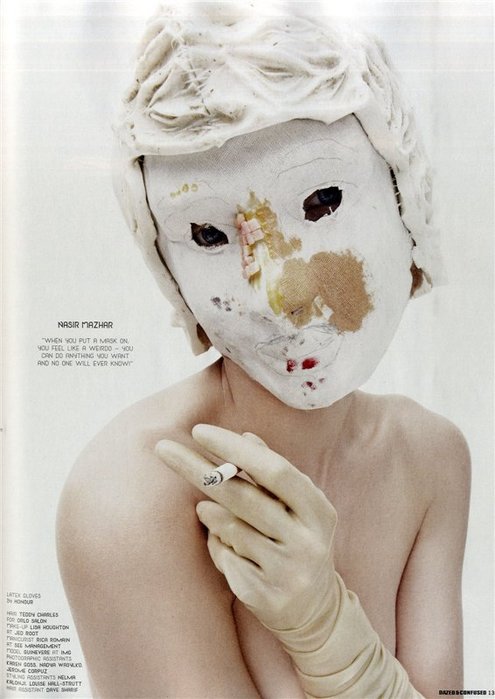
DAZED & CONFUSED October 2009
MAKE ME A MONSTER
Photographed by Daniel Jackson
Styled by Karen Langley
Model by Guinevere Van Seenus

 (699x472, 64Kb)

 (506x699, 90Kb)

 (495x699, 55Kb)

 (506x699, 57Kb)

 (475x698, 55Kb)

 (454x698, 57Kb)

 (475x698, 42Kb)

 (489x698, 49Kb)

 (476x698, 67Kb)

 (475x698, 46Kb)

 (454x698, 45Kb)

 (489x698, 46Kb)

 (475x698, 56Kb)

Natural Cure for Insomnia that Works

A difficulty in falling asleep and maintaining good sleep is how doctors describe insomnia. It is a symptom, not a disease or a diagnosis. The average person will experience insomnia once in their lifetime with up to 50 percent of people in the world suffering from it at one time or another for more than a few nights.

Many people do not like to take medications to help them sleep and look towards a more natural cure for insomnia. There are many things you can do to promote sleep, alleviate stress and reduce stimulation, the two major causes of insomnia.

One tried and true natural cure for insomnia is to drink warm milk before bed time. An alternative to milk is a few teaspoons of apple cider vinegar in a glass of water or straight up. You could even eat a very light carbohydrate snack. 5-HTP delivered from tryptophan such as that found in turkey, is an amino acid that will help you fall asleep. 5-HTP boosts levels of serotonin, a brain chemical that helps to regulate sleep. Other foods that might contribute to a good nights sleep are starchy foods such as grains, potatoes, whole-wheat pasta, brown rice and oatmeal. However, you do not want to go to bed on a full stomach. These items should be eaten in moderation, as a light snack before bed. All of these methods should help you to gain a good night sleep and help you feel rested in the morning.

Don"t like milk? Drink herbal teas like passionflower, skullcap, lavender, valerian, California poppy, St. Johns Wart, hops and chamomile which all have sedative properties that can help your mind and body ready itself for sleep. Most can be found at health food stores and should be sipped about an hour before turning in at night.

Getting enough vitamins is another essential ingredient to a natural cure for insomnia. Several different B vitamins have been shown to reduce insomnia so a B complex vitamin would be a good choice taken daily would help with your insomnia. Other vitamins include magnesium, zinc and calcium has long been known to calm the nervous system which will help you fall asleep.

Melatonin is a natural occurring, sleep inducing hormone in the brain. Although some people may lack the ability to produce this and that may be a cause of their insomnia. Scientists have discovered a way to duplicate this naturally and without any side effects, it is a natural cure for insomnia. The recommended dosage is between 0.3 to 3 milligrams per night.

Some people believe in magnetic therapy and sleep with negative magnets on a magnetic pad either all over their bed or around their head. However, it can be difficult to calibrate the exact amount of magnets, the strength and the positioning needed to help be a natural cure for insomnia.

Avoiding caffeine after 2 pm and exercising early in the day are good advice and will help work together with the above suggestions for a natural cure for insomnia.


Autor: Paul Haughney

Paul Hockney suffered from Insomnia for many years. Having researched Insomnia Treatment he eventually found a cure that worked. Find Free Advice and Natural Sleep Aid reviews from Paul at http://www.HelpSleepProblems.com


Added: September 15, 2009
Source: http://articlerich.com/Article/Natural-Cure-for-Insomn~

Natural Sleep Aids Uncovered

There are many natural sleep aids that will help you if you have insomnia which is a chronic inability to sleep over a long period of time.

Herbs
Herbal remedies are on the rise and one in particular, valerian has long been used as a natural sleep aid to cure insomnia. Italy, France, Switzerland, Belgium and Germany all sell this natural herb over the counter.

Exactly how valerian works in the system is a mystery to doctors but they know it works. Some studies propose that it works like other sleep aides in that it affects the calming neurotransmitter, GABA.

Valerian is not addictive like some pharmaceuticals nor does it cause grogginess. It is, however, not without side affects; dizziness, headaches, indigestion and heart palpitations can all occur while taking valerian. And valerian can not be taken with any other medications, particularly sedatives that depress the middle nervous structure.

The human body naturally produces a hormone called Melatonin. The pineal gland makes serotonin in the brain and then it is transformed into melatonin when it is restricted from light.

People with schizophrenia, depression or any serious illness, such as an autoimmune disease should not take melatonin.

An anti-anxiety herb, Kava could be helpful for anxiety related insomnia. Conversely, the FDA - Food and Drug Administration has issued a warning to consumers who use any type of products with Kava as a main ingredient because it can cause severe liver damage. There have been cases of severe liver damage in other countries but not here in the US.

Aroma therapy
The sent of many different flowers and essential oils have long been thought to bring about sleep in those who find it difficult to fall and stay asleep. Lavender is one of the most widely used aroma therapy oils for insomnia. Other oils that seem to help are ylang ylang and chamomile.

Acupuncture
A study by the University of Pittsburg suggested that the use of acupuncture maybe an effective cure for insomnia. The study showed that five weeks of acupuncture increased the production of melatonin in the brain during the evening hours and helped the patients fall asleep better.

Exercise
The lack of exercise can contribute to insomnia; however when you exercise can also have become a factor for lack of sleep. Exercising in the morning will help you to feel better throughout the day and help you sleep better at night. Exercising to close to bed time will increase your adrenaline and you will have trouble with your sleep.

Relaxation
Falling asleep faster and staying asleep longer, relaxation techniques are one of the best ways to get a good night sleep.

Visualization
this involves a relaxing scene your mind creates. You must be in bed and try to engross all your senses. Most people pick a tropical island and imagine the sand, sun, the water and just a relaxing time. You can smell the sea water and feel the spray of the ocean on your face. This is a good visualization and will help you relax.


Autor: Paul Haughney

Paul Hockney suffered from Insomnia for many years. Having researched Natural Sleep Aids he eventually found a cure that worked. Find Free Advice and Natural Sleep Aid reviews from Paul at http://www.HelpSleepProblems.com


Added: September 14, 2009
Source: http://articlerich.com/Article/Natural-Sleep-Aids-Unco~

A cold start

My fall season has definitely kicked in. Because I'm originally from a very warm country I get cold quiet quickly in West Europe. I like the fall wardrobe better too, I feel that you can play more with pieces, layer them in different ways. Though I'm all for hot summers, but the summer just sucks here big time. So I don't like the cold, but I do like winter clothes, strange (:
So it already starts to get cold, the temperature begins to drop. I can't wait to wear my faux fur again, I'm just addicted to it!
So I wondered what fall-winter key pieces are there for you, guys?

 (472x630, 128Kb)

 (472x630, 130Kb)
Wearing: Vintage blouse, Hema cardigan, Sacha booties & leggings, Zara bag, Veritas necklace, H&M ring, bracelet & sunnies. 100% black :p
I like how the leggings and the booties almost look as one piece, sort of a catsuit.
Batman, here I come!

Insomnia Treatment

Insomnia

Insomnia
Sleep is one of the most important human behaviour which occupies 1/3 time of the total human life span. Thus, if we survive till the age of 80, more than 25 years of our life would be spent in sleeping collectively.

The most common sleep related complaint is that of insomnia. After pain, insomnia is the 2nd most common complaint among all the complaints overall reported by patients in primary care settings.


Famous personalities with insomnia
Winston Churchill, Charles Dickens, Napoleon Bonaparte, Benjamin Franklin, and Alexander Dumas: Apart from the common factor of being famous, all these personalities shared the common factor of insomnia.

How do you know you have Insomnia?
Despite having adequate opportunities for sleep, presence of one or more of the following determines insomnia:

- Difficulty in initiating sleep.
- Difficulty in maintaining sleep.
- Waking up too early.
- Non-refreshing and poor quality sleep.

Insomnia is also determined with one or more below mentioned complaints which lead to daytime impairment:


- Fatigue, lack of energy.
- Lack of motivation or initiative.
- Difficulty in attention and concentration.
- Impaired performance at job/work place.
- Mood disturbances and easy irritability.
- Worries regarding sleep.
- Physical symptoms like headache, body ache due to lack of sleep.

Thus, insomnia has two main components:
(1)Poor quality sleep at night
(2)Disturbances during daytime/wakefulness.

Prevalence of insomnia

- Insomnia is more common in elderly population and more common in women than in men. Insomnia is also common in patients who are suffering from anxiety, depression, chronic physical illness, excessive occupational stress, alcohol abuse etc.
- Studies suggest that overall 25% to 33% adult population all across
the world suffers from some degree of insomnia each year.
- At the age of 30, about 5% to 8% of males and 14% to 18% of females have insomnia.
- After the age of 65, insomnia symptoms are reported by more than 30% of the population.
- Insomnia is responsible for: decreased work efficiency, increased accidents and errors at workplace and while driving, poor interpersonal relationships, and an overall reduced quality of life.


History


Ancient Greeks relate sleep to God Hypnos (FYI: Hypnotic = a drug that reduces consciousness and causes sleep.)
Initial report of insomnia dates from the writings of Aristotle and the Greek physician Heraclites. Heraclites suggested opium for insomnia treatment. Various other modalities were also used for the treatment of insomnia.
Insomnia (primary) according to DSM-IV-TR “is a difficulty in initiating or maintaining sleep, or a non-restrictive sleep, which causes significant distress or impairment in social, occupational and other important areas of functioning for at least 1 month.”
Insomnia is called primary when it is not due to some other medical or physical condition.

According to the classification system of ICD (International Classification of Disease) by WHO, “insomnia is a difficulty in initiating or maintaining sleep, or a non-restorative sleep, leading to social and occupational impairment and sleep disturbances at least 3 nights per week, for a month.”


Difference between short sleepers and insomniacs

- It is clear that insomnia is not determined by sleep duration but by quality of sleep sufficient for refreshment.
- So a person doesn’t have insomnia even with a sleep of as less as 4 to 5 hours, as far as that sleep is refreshing and it doesn’t impair his daily routines.
- On the other hand, a person has insomnia even with 8 hours of sleep if the sleep is non-refreshing and impairs his next day routine.
- Short sleepers are persons who sleep less than the average sleep duration of the population, and yet they function normally with a fresh feeling in the morning.

Insomnia patterns and associated common causes

With regard to the part of sleep that is affected, insomnia can be separated into the following three types:

1. Early insomnia or sleep-onset insomnia

- Early insomnia is also known as sleep-onset insomnia.
- It is characterized by difficulty in falling asleep with associated high level of arousal.
- Sleep-onset is delayed for more than 30 minutes.
- It is the most common pattern of insomnia and commonly seen in primary insomnia.
- Early insomnia is more common in women and elderly.
- Common causes for early insomnia are poor sleep hygiene, poor sleep environment, anxiety, depression and other psychological factors.

2. Middle insomnia or sleep maintenance insomnia

- Middle insomnia is also known as sleep maintenance insomnia.
- In this type of insomnia, sleep-onset may occur normally, but intermittent awakening occurs during nights which may or may not be followed by normal sleep.
- Middle insomnia is commonly seen in conditions associated with pain and medical conditions like Asthma and renal disorder.
- Alcohol intake is also a common cause of middle insomnia.

3. Terminal insomnia

- Terminal insomnia is also known as early awakening.
- It is common in elderly as well as in depression and bipolar mood disorders.
- Very less percentage of patients with terminal insomnia as sole complaints visits clinics as compared to early & middle insomnia.
- As persons with terminal insomnia have at least few hours of good sleep, they are more comfortable with insomnia as compared to persons with early and middle insomnia


Insomnia: Transient and Chronic

Transient Insomnia

- When Insomnia lasts for less than 3 weeks it is termed as transient insomnia.
- Transient insomnia is more common as compared to chronic insomnia.
- It is mainly a result of stress and anxiety in patients caused by some adverse psychological or social events, which the patients are not able to cope with.
- Transient insomnia when once cured & reappears with intermittent improvement in between, it becomes recurrent insomnia.
- Recurrent insomnia is commonly seen in relapse of some psychiatric disorders like depression or bipolar mood disorders or alcohol abuse.
In fact, insomnia is a warning sign in many psychiatric disorders.

Chronic insomnia

- It is less common but the most disturbing variant of insomnia. Patients may become adapted with chronic insomnia because of its continuity; however, it causes significant distress in the life of the patient suffering from it. Treatment of chronic insomnia is quite difficult as many psychological factors are incorporated.
Chronic insomnia treatment will be discussed later on.

Sleep functions
As stated earlier, sleep is one of the most important human behaviors and it is as necessary as food and sex.
According to evolution theories, sleep is seen as a protective mechanism to keep the animal out of danger during the inactive states.
- Sleep conserves energy, restores energy & regulates temperature. Also, from the psychological point of view, sleep is important. Dreams take place during sleep, which plays a major role in the resolution of intra-psychic conflicts as explained by Sigmund Freud in his “Interpretation of dreams”.
-Sleep deprivation causes a number of disturbances in the body & it ultimately leads to the death of a person.

Insomnia symptoms / Insomnia effects

As such, insomnia itself is viewed as a symptom by many. There are several other symptoms associated with insomnia.
Common symptoms associated with insomnia are;
- Fatigue
- Lethargy
- Poor concentration
- Irritability
- Heaviness in head
- Apprehensions


Insomnia is associated with hyper-arousal state, whether as a cause or as an effect is still unclear. Insomnia may be associated with chronic sympathetic hyperactivity & decreased parasympathetic activity.

Sympathetic hyperactivity leads to increase in heart rate & increase in blood pressure with an overall increase in the cardiac workload. Thus, increased sympathetic activity may cause physical symptoms like muscle tension, uneasiness, restlessness, etc.

Insomnia related psychological disturbances induce mood & cognitive changes. Insomnia leads to difficulty in concentration & poor attention.

It may lead to impaired memory (short term type mainly), easy irritability, lack of interest and low mood.

Anxiety & depression are commonly associated with chronic insomnia.


In fact, insomnia fuels a vicious cycle of stress-anxiety-insomnia-fatigue. Patients with prolonged insomnia develop excessive worries about poor sleep. Due to subsequent failed attempts at good sleep, these people try even harder to go to sleep, which results in a worse condition than before.

They become more watchful & vigilant for sleep. They are kept awake by their fear & apprehension of the next day being spoilt if they don’t get enough sleep in the night. Attention deficits created by insomnia make the person prone to errors.


Treatment and management of insomnia

There are a number of factors affecting sleep. Thus, for the treatment of insomnia, a multidimensional approach would be the most effective.
Let’s have an overview of insomnia treatment first.

Insomnia treatment can be discussed under two headings:

1. Non-pharmacological treatment
2.Pharmacological treatment

Non pharmacological treatment of insomnia

These are the insomnia treatment approaches in which drugs are not used.
These are
- Sleep hygiene
- Sleep restriction therapy
- Sleep stimulus control therapy
- Cognitive behavior therapy for insomnia
- Relaxation therapy
- Yoga and meditation
- Photo therapy or light therapy
- Natural remedies for insomnia

Pharmacological therapy for insomnia
It includes allopathic drug therapy, which are mainly psychoactive agents used in insomnia treatment.

1st line agents:
zolpidem or eszopiclone- for onset of sleep and maintenance
Zolpidem, zoleplone, rameltelon- for onset of sleep

2nd line agents:
These are the main benzodiazepines used in insomnia treatment.
Flurazepam
Temazepam
Estazolam
Triazolam
Quazepam
Trazodone

Not recommended but commonly used:
Alprazolam
Lorazepam
Diazepam
Other drugs are quetiapine, melatonin, diaphenhydramine

Insomnia treatment and sleep hygiene

The most important cause of insomnia is poor sleep hygiene. Our daily routine affects the duration and the quality of sleep. Whether having sleep disturbances or not, sleep hygiene is underestimated by most of the persons. Sleep hygiene is aimed at making persons aware by explaining the nature of sleep, the factors affecting sleep, how life style changes with sleep, and the environmental changes (including bedroom changes) to improve and stabilize sleep pattern. Sleep hygiene is a good advice for everyone, even for those who don’t have insomnia or other sleep disorders
If you are searching for help for beating insomnia, you must have heard about good sleep hygiene, may have already tried it. You may argue that it’s worthless and you failed at it. But before refusing it, you should ask yourself:

1. Did you try it everyday for a sufficient period?
2. Did you do everything that you are supposed to do?
3. Did you try it wholeheartedly?

Most probably, the answer would be “no”. So it becomes more likely that you didn’t get the total benefit from it.

Sleep hygiene

Avoid CNS stimulants
The commonest CNS stimulants are caffeine, alcohol, and nicotine. They should be avoided for at least 6 hours before going to bed.

Caffeine

The most important among those listed above is caffeine. It maintains wakefulness.
It is found not only in a cup of coffee but also in other stuffs like cocoa, chocolate, and carbohydrate drinks like cola. It’s advisable to check labels of the products which patient may consume.

Nicotine
Nicotine is also a CNS stimulus found in cigarettes and other tobacco products. Smoking is injurious not only to health, but also hinders sleep. Sleep disturbed due to excessive smoking can be managed by de-addiction.

Alcohol
In contrast to caffeine and nicotine, alcohol is a CNS depressant, so theoretically it should induce sleep. But alcohol disrupts sleep architecture and causes increased night wakefulness and restlessness, leading to disturbed sleep. It also causes increased urination and thereby increased thirst and disturbed sleep.

Optimize your biological clock for sleep
Fix a time to go to bed and also fix awareness time. Avoid drifting during bed time and awakening time. Follow it regularly.

Avoid day time naps
It will be easier to get a good sleep at night if day time naps are avoided. Short naps in the afternoon are recommended by many but they are probably not appropriate for people with insomnia. If it becomes necessary then it should be less than 30 minutes.

Don’t bring your worries to bed
It is difficult to stop worries or control it at one’s wish, but you can postpone it for daytime. Give some time during the day to think on your worries; don’t stress your mind on what to do tomorrow or planning about future activities. Make a habit of finishing it before going to bed.

Don’t use your bed for any other purpose except for sleep or sex (as sex relaxes and induces sleep)
Avoid watching television in bed as most of the people do. Avoid talking on phone, discussing, reading or working.

Don’t go to bed until you are sleepy
Get up if you don’t get sleep in 15 to 20 minutes.
Follow this rule everyday. If you don’t feel sleepy repeatedly after going to bed, then repeat this procedure until you finally go to sleep.
Reading a book or doing a work that you don’t like will bring sleep much easily.

Avoid strenuous exercise at night
Regular exercise is recommended as it improves sleep and overall health as well. But it should be in the morning or in the afternoon. Strenuous exercise after dark will activate the brain and maintain wakefulness, making sleep difficult to initiate.

Avoid heavy meal at night .

Avoid spicy food if you are suffering from heartburn.Snack before sleep helps in initiating sleep.


Sleep stimulus control

According to sleep stimulus control therapy, insomnia is seen as a result of maladaptation, in which temporal stimulus (time to go to bed) and environmental stimuli that were previously inducing sleep are in balance to be associated with wakefulness, frustration and arousal. Thus, in sleep stimulus control therapy, the main therapeutic objective is to rebalance the control between sleep and the environment which promotes sleep.


Sleep stimulus control therapy breaks the negative association of being in bed and being unable to sleep. It is especially helpful for individuals with sleep onset insomnia and prolonged awakening. Most procedures mentioned below are already covered under sleep hygiene.

-Go to bed only when sleepy.
-Use bed only for sleep and sex.
-Avoid watching television, eating, working etc.
-Arise from the bed at the same time in the morning, and go to bed same time everyday.
-If you don’t get sleep in 30 minutes, get up and engage yourself in some activities till you feel sleepy.

Sleep restriction therapy

Sleep restriction therapy is based on observation of patients with insomnia limiting the time spent in bed awake is an effort to provide more opportunity for sleep. This strategy is more likely to result in fragmented sleep.
Sleep restriction therapy is aimed at limiting the amount of time spent in bed to the actual sleep time.
Sleep diary is helpful for the determination of actual sleep time & time spent awake in bed.
Read more about this and other treatment modalities in the next post...











How To Naturally Cure Insomnia

Late at night, you go to bed. You closed your eyes but can't seem to fall asleep. You might even try counting sheep, but to no avail. And your mind keeps on working, you keep on thinking on a lot of things. Looking at the clock, you noticed that hours had passed but your still awake.

According to the US Department of Health and Human Services, in 2007, that at least 20 million feel the same thing, experiencing occasional sleeping problems. What is commonly referred to as Insomnia has actually three types: transient insomnia which lasts from days to weeks; acute insomnia lasting for about 3 weeks to 6 months; and chronic insomnia which lasts for years.

Although the situation mentioned above is more common, called as onset insomnia, there are 3 other insomnia patterns. One is known as Middle insomnia, referring to the difficulty of falling asleep when waking in the middle of the night. Waking too early in the morning is another type of insomnia called as terminal insomnia. Another type of insomnia is called middle-of-the-night insomnia which cover both terminal and middle insomnia.

There are a lot of causes for insomnia. A common cause of insomnia would probably be a disease or disorder the person is under. Stress might also make it hard for a person to sleep; so as fear, anxiety or any mental or emotional problems that the person is experiencing. Hormonal shifts also causes insomnia, as well as the disruption to a person's sleeping pattern such as a change of shift at work.

Although most people would prefer taking pills and proceed into medication to aid them in their sleep, there are also alternative and natural ways of dealing with insomnia. One very familiar and common way of making it easier to sleep is by drinking warm milk before heading to sleep. Now some might be skeptical about this, but milk is basically been used for a long time to aid sleep. There is a scientific explanation to this. Milk contains the amino acid tryptophan which acts like a mild tranquilizer.

Some also noted that its easier to sleep when you exercise hard before going to bed. This one makes sense since your body will be pretty tired and must need to rest after exercising vigorously thus makes you more inclined to sleep. Some methods of getting sleep faster is avoiding mentally engaging activities as well as exposing your eyes to light before going to sleep. Of course by avoiding mentally engaging activities, you are not "starting up" your brain's engines.

Another method used for a long time, is by using aromatherapy and taking a warm bath. The key to this is making the body relaxed, free from discomforts, and more inclined to sleep. Using lavender oils, or any other relaxing oils is just fine. A good way of doing this is by taking a warm bath before sleep. You can add you're favorite aromatherapy product, coupled with the essential oil while listening to relaxing music of your choice.

Autor: Elizabeth Boardman

The San Francisco Bath Salt Company's slogan is "Relaxing The World One Bath at a Time". We specialize in luxury bath salts for skincare and relaxation with the overall goal of improving health through bathing. Our website is a powerful resource of information about bathing and contains many more articles and our daily bathing blog. for more information visit http://www.sfbsc.com or to visit our complete resource section on bathing goto http://www.sfbsc.com/resource-center


Added: September 9, 2009
Source: http://articlerich.com/Article/How-To-Naturally-Cure-I~

Insomnia Problems - Find Out EverythingYou Need To Know

Looking for some good insomnia information? Want to get those insomnia problems under control once and for all? Well then, you're in the right place, as you're about to learn some important facts about insomnia; including highly effective natural insomnia remedies.

Insomnia Causes

Insomnia can be caused by numerous things, most of which you wouldn't even think twice about. Some of the most common causes of insomnia are: uncomfortable environment (noise, room temperature, bed firmness, quantity of fresh air), work shift changes, stress, underlying illnesses, withdrawal from drugs and/or medications, depression, and a whole lot more. In today's world, it seems almost anything can lead to insomnia.

Insomnia Symptoms

There isn't a great deal of reliable insomnia information when it comes to identifying the symptoms of insomnia. Why not? Because insomnia symptoms are so incredibly similar to that of other disorders that it's quite difficult to accurately diagnose. However, here are a few of the more common insomnia symptoms that you'll likely notice:

- Exhaustion: A sincere feeling of not wanting to do anything. Everything seems to drain you of energy; be it getting up to go to the bathroom or just finishing the days work.

- Poor Memory: You have a brief recollection of events, but nothing remotely specific can come to mind.

- Poor Motor Skills: Speech, reaction time, critical thinking, you name it, it is all severely impaired. You can complete basic tasks and you might even be able to have a short conversation or two, but anything else is just too much for you to handle.

- Irritability: Everything annoys you. No matter who you're dealing with or what you're doing, you are annoyed.

Natural Remedies to Improve Insomnia Problems

When it comes to insomnia information, there is nothing more helpful than natural remedies for insomnia. Because of that fact, a few insomnia natural remedies have been listed below.

- Sleep in complete darkness. A dark room enables our bodies to produce a hormone called melatonin. Melatonin helps us to sleep more peacefully with fewer interruptions. Afraid of the dark? Get a small night light.

- Drink herbal tea before bed. A cub of herbal tea, which has strong relaxing and calming properties, right before bed will help out a great deal with your sleeping habits. Great herbal teas with sedative properties include passion flower, chamomile, valerian, and many others.

- Take a warm bath. A warm bath combined with natural oils (chamomile, lavender, marjoram, neroli, rose, jasmine, etc.) can be both soothing and calming, allowing you to achieve maximum relaxation much more quickly. The more relaxed you are, the easier it will be to go to sleep.

- Avoid alcohol, caffeine, and tobacco: Caffeine is a stimulant which will simply keep you awake. Alcohol and tobacco, on the other hand, will actually upset your natural sleeping rhythm. Lessen your consumption of these during the day for better sleep at night. If it doesn't help, try eliminating them completely.

- Listen to sleep soundtracks. Specially composed soundtracks can help lull you to sleep in a matter of minutes. These soundtracks are relatively inexpensive and can be easily purchased online.

The above insomnia information should help you to understand your insomnia problems a bit more clearly. And, with help from the natural insomnia remedies above, you might just be able to sleep more peacefully at night.

Autor: Sean T Saunders

Do you want a guaranteed solution for insomnia -- one that will cure your sleeplessness once and for all? If so, you should visit http://www.SleepTracks.org, the one and only website that can guarantee an insomnia cure for you.


Added: September 7, 2009
Source: http://articlerich.com/Article/Insomnia-Problems---Fin~