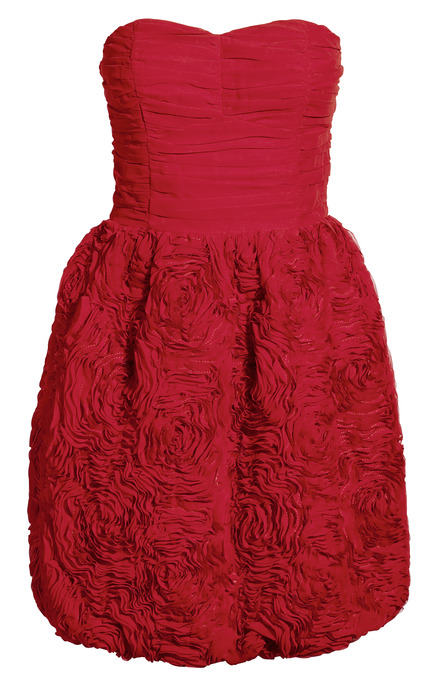
This is what I wore yesterday to go shopping.
I really love this dress.
Wanted to buy it in cream too, but they never had it in my size :(

Photobucket

Photobucket

Photobucket

Wearing: Zara dress, vintage boots and silver jewellery

In other news, there's just one week left before spring break.
I wish it was already here, because I feel really exhausted.
Really in need of a few calm days.
Unfortunately I'll have to study during the break for my upcoming exams.

Virgin Olive Oil Benefits: Keep Heart Healthy and Lose Weight Quickly

Olive oil is a prime component of a Mediterranean Diet, and recent study findings indicate that it is associated with reduced mortality due to cardiovascular disorders and other metabolic disorders like diabetes. Olive oil is loaded with Vitamins and Anti-oxidants which are beneficial in providing protective action against atherosclerosis. Olive oil is the only vegetable oil which can be consumed as it is and doesn’t need to be processed. The benefits of olive oil in protecting the heart by reducing cholesterol levels has been of profound interest and various health experts recommended it regular use.

Olive Oil prevents
plaque formation
Olive Oil Benefits: Health Benefits of Olive Oil for Heart
Scientific studies conducted around the world, reveal the multiple benefits of olive oil. By ingesting olive oil, instead of saturated animal fats, we can prevent atherosclerosis (plaque deposition within the arteries) and consequently heart disorders. How does olive oil make people healthier?

  • Research says that particles of LDL cholesterol or bad cholesterol, in the blood, that are made up of olive oil, are less likely to be oxidized, as compared to other oils and fats. Studies have shown that oxidized LDL adheres to the arteries and forms plaque, that causes narrowing of the arteries and results in heart attacks. Lower levels of oxidized LDL prevent plaque formation and thereby prevent atherosclerosis.
  • Importantly, clinical trials have revealed that when saturated fat is totally eliminated from the diet, and is replaced by olive oil, there occurred a 13.4 % drop in the total cholesterol level and an 18 % drop in the LDL level.
  • Olive and olive oil are packed with anti-oxidants and vitamins in the form of Vitamin A, D and E. These vitamins aid in reducing oxidative damage to the arterial walls and thereby protect the heart.
  • Olives also decrease blood pressure levels in people with hypertension
Lose Weight Quickly with Olive Oil: Virgin Olive Oil Benefits
Studies have shown that use of Virgin Olive oil aids in the process of weight loss. This ability of olive oil has gained it wide reputation in the western world as a healthy fat. There are several different ways in which olive oil helps in reducing weight,
  • Virgin olive oil contains monounsaturated fats which create a sense of fullness relatively sooner than Saturated fats or Trans Fats. As per a study conducted in the United States, it was observed that Individuals who consumed bread with olive oil, ate upto 23% less than individuals consuming bread with butter. This ability of olive oil to reduce an individuals food calorie intake is considered to be highly beneficial in weight loss
  • Various Scientists claim that monounsaturated fats get metabolised in a different way compared to Saturated fats or Trans Fats.Though the exact mechanism is still not clearly known it is belived to contribute to weight loss 
  • As per another study published in British Journal of Nutrition in 2003, conducted on rats, it was observed that monounsaturated fats promote break down of stored fat in the body. This is another factor which Virgin Olive Oil is considered beneficial in weight loss.
What is important to note is, that these favorable benefits became evident only when the unhealthy oils and fats were removed from the diet, and olive oil was incorporated, rather that only including olive oil.

Olive oil Nutritional Facts: Healthy Heart and Weight Loss
Olives are an excellent source of oleic acid. They are a good source of Vitamin E and Vitamin A which are essential to fight plaques and prevent atherosclerosis. Olive oil also contains additional antioxidants in the form of – flavanoids and oleuroprein.
As per various claims consuming upto about 13.5 grams of olive oil is considered to not result in weight gain among American Adults. On the other hand, Food and Drug Administration, United States claims that consumption of upto 23 grams of Virgin Olive oil is considered to keep the heart healthy and free from coronary artery disease.

Consuming Olive Oil is
more beneficial than Olives
Avoid Olives for a Healthy Heart: Virgin Olive Oil Benefits

Olives are always soaked in concentrated brine solution, and this leaves the final product very salty. As a result, people with high blood pressure need to eliminate olives from the diet, due to the high salt content, which can have a counter effect on control of blood pressure, although they can definitely opt for extra virgin olive oil and olive leaf extracts.

Olive oil health benefits are vast and far-reaching, and incorporating the oil in to your daily diet will definitely reap huge dividends. Local application of olive oil is also considered to fight the signs of aging and keep the skin healthy and toned.
Garden Of Delight

Today I went to Antwerp to pick up some pieces from
the H&M Garden Collection.
From the moment I saw the collection, I fell in love with the colors and the floral prints.
The whole winter I longed for bright colors and floral dresses and finally they're here.
It was really hard to choose. So far I bought 3 pieces from the collection.

Photobucket

This jacket is so delicate and beautiful. Definitely one of the most beautiful pieces that I own.
 (699x632, 189Kb)
Photobucket

I'll probably will buy these pieces later.

 (310x699, 101Kb)
 (437x698, 112Kb)
This is a real breakthrough for me, to buy so many colors in one day.
Can't wait to wear all this wonderful items.

Stay tuned for a new outfit post...
xoxo

Natural Remedies for Control Signs of Hypertension : Top Herbs for Normal Blood Pressure

Hypertension is on the rise and is associated with changing life style patterns. There are several natural herbs and dietary measures that can help normalize blood pressure naturally. As per a study published in the Annual Review of Public Health, the prevalence of hypertension in United States was approximately 28.6% in 2002 and is estimated to increase. Worldwide about 972 million people suffer from hypertension. Even with the availability of advanced hypertension treatment therapies, only about one third of hypertensive cases are under control in the United States. Fortunately, there are various natural hypertension control formulas available in the market today, which comprise of herbal remedies, effective in management of the problem.

Signs of Hypertension: Symptoms of Elevated Blood Pressure
In most cases, hypertension or elevated blood pressure is not associated with any signs or symptoms. A very small percentage of patients suffering from hypertension however experiance certain symptoms, which include,
  • Dull headaches which often associated with throbbing or pulsating pain in the temples. Headaches are often associated with dizziness and nausea, especially during the early stages of hypertension
  • Breathlessness and difficulty to breath can also be observed in some patients
  • Occassionally nosebleeds can be experianced, especially during stages of advanced and chronic hypertension.
  • Elevated levels of anxiety and apprehension may be observed in some patients, which may be associated with increased levels of stress.
Natural Remedies for Hypertension: Natural Treatment for Normal Blood Pressure
Here are some natural remedies and supplements that have been beneficial in the effective treatment of hypertension 
  • Calcium: Calcium is more often known for its role in the treatment of osteoporosis. However, as per a research published in the Journal of Journal of Laboratory and Clinical Medicine, way back in 1989, a relationship was observed between dietary calcium and control of hypertension. The effects of calcium in controlling hypertension were attributed to a calcium metabolism which in turn reduces ‘salt sensitivity’ and helps in control of blood pressure.
  • Magnesium: Another important dietary supplement, magnesium is responsible for muscle relaxation. Magnesium affects the smooth muscle cells located in the arterial walls and contributes in lowering blood pressure.
  • Citric Acid: Citric Acid is an ingredient of citrus fruits namely oranges, lemon, lime, etc. Citric acid has strong anti-inflammatory properties, as it transforms into an alkali after metabolism and neutralizes the acids in the diet. Due to its anti-inflammatory action, citric acid helps lower blood pressure and prevents cardiac disease.
  • Malic Acid: Malic Acid derived from apples and grapes is essential for magnesium metabolism.
Top Herbs For Normal Blood Pressure: Herbs to Control Hypertension

Garlic, Onion and Celery are found to be beneficial in controlling and lowering blood pressure. Here’s how,

 Garlic for Normal blood pressure 
Garlic helps reduce Blood
Pressure Naturally

  • The health benefits of garlic are numerous. Significantly, this medicinal plant provides strong protection against atherosclerosis and heart disease and is decidedly the best herb for high blood pressure.  
  • Garlic has demonstrated blood pressure lowering properties in many clinical studies. It reduces the systolic blood pressure by 8 mm Hg and the diastolic blood pressure by 5 mm Hg, in hypertensive patients. 
  • Garlic acts as a potent anti-hypertensive and lets you do away with hypertensive drugs completely. Also, alongside, it is imperative that you follow a regular and heart-friendly diet. 
  • Also, make sure that you chop the garlic and let it sit for about 5 to 7 minutes, before consuming. Chopping stimulates the enzymatic process that releases allicin, the compound which is responsible for the wonderful therapeutic benefits of the herb. ,
Onion to Treat Hypertension

    
    Onions to manage
    Hypertension
    
  • Onions contain a variety of organic sulphur compounds that provide immense health benefits. 
  • Research and laboratory investigations have shown that onions help lower blood pressure appreciably. 
  • They also lower blood lipid levels and prevent clot formation
  • Consuming the juice of 1 onion daily, will have considerable positive effects on the blood pressure level and the lipid profile. 
  • I will also recommend a liberal consumption of all the allium species – onions, leeks, and garlic on a regular basis, since they offer both preventive and curative value.
Celery for Management of Hypertension 
  •   3-n-butylphthalide found in celery lowers blood pressure to a very great extent. 
  • Consuming 100 grams of celery, everyday, for 1 week, shows a significant drop from a blood pressure reading of 158/96 to 118/82. This has been backed by various studies and trials. 
  • What’s more, celery and blood pressure go a long way. This vegetable tones up the entire vascular system of the body and keeps a check on the blood pressure level.

Baby Sleep Problems

Research Update: Infant Insomnia Prevention 
by Gerrard Mackenzie 

“Insomnia among infants?” Yes you are reading it right. Infants have their own version of insomnia. Latest research says that this is more likely experienced by infants born to mothers who are suffering from depression.

Baby Sleep photoThe University of Michigan did a study which says that the first six months of life is crucial in establishing circadian rhythms - normal sleep and wake pattern. This factor is vital in the development of healthy sleep hygiene among children they grow up.

Being an important stage, this is also a perfect time when prevention measures can be implemented. This is the reason why a mother has to understand and give priority not only to nutrition and other developmental milestones, but also in the establishment of normal sleep patterns and the implementation of ways to ensure that the baby gets adequate amounts of sleep.

The research showed how neglect of this particular aspect affects not just the mother but also the baby. The incidence is found to be higher among mothers who experience mood changes during and after pregnancy. Denial and ambivalence are normally experienced at the onset of pregnancy age. Post partum blues, a mild and temporary form of depression is also experienced by some after giving birth. However, some mothers unavoidably experience extreme depression during pregnancy and after delivery (intrapartum and postpartum depression.)

The cause is not yet clearly understood. However, some studies strongly link postpartum depression to endocrine factors. Regardless of whether the hormones are the culprit or not, the gravity of its effects on the mother and on the baby is undeniably serious.

The mother with post partum depression may experience a wide array of symptoms (severe mood swings, intense irritability and anger, loss of appetite, difficulty bonding with the baby, withdrawal from family and friends, etc.) Furthermore, insomnia here can be one of the causes and it can possibly be a result.

When all these things happen to a mother, indeed, the quality of care given to their babies suffers. There are some who are not capable of taking care of the baby while some even develop a tendency to harm the baby.

According to the University of Michigan (UM) research team, babies born to depressed moms are “prone to having chaotic sleep patterns in the first half-year” as compared babies born to non-depressed moms. Chaotic sleep patterns are manifested among infants who are sleeping more during the day, taking longer time before they can be put to sleep at night, with more frequent waking episodes, which is somehow similar to adults. This also predisposes them to depression as they grow up.

The leader of the UM Sleep Lab, Dr. Roseanne Armitage said that, “this doesn't mean that babies born to depressed moms are doomed to follow in their mothers' shoes, even though depression does tend to run in families.” Likewise she also added that this also does not mean that moms without history of depression should not pay attention to their babies sleep hygiene. It all boils down to one thing - all parents (with or without history of depression) must give importance to the sleep hygiene as early as the infancy period.

Sleep PictureIn general, infants need a lot more hours of sleep than the grown ups. In the first 2 months, infants need 11 to 18 hours of sleep. In the next 10 months, they need 11 to 15 hours, on the average. However, infants get those hours of sleep in shorter chunks of time throughout the day.

Establishing an ideal sleep pattern among babies is quite a new idea for some but parents can implement this in various ways.

Parents can put on day clothes for daytime sleep and change into night clothes to help babies develop normal circadian rhythms, because babies can feel this. It would also help if parents make sure that their babies are exposed to adequate amounts of light during daytime so they can learn to distinguish daytime from nighttime sleep.

There are a lot more rituals that can be done to help strengthen the circadian rhythm of infants, but what we are working on is training the baby’s brain to sleep when it’s dark and be awake when there’s light or when it’s bright. Parents should also remember that the key to ensuring normal sleep among their babies is good parenting. You cannot just leave the infants on bed and expect that they automatically sleep.


Gerrard Mackenzie has taught thousands of the stressed-out, tired and overworked how to overcome their sleeping difficulties at http://www.superchargeyoursleep.com/
Article Source: Research Update: Infant Insomnia Prevention

Hypertension Diagnosis: Diet and Lifestyle Tips for Normal Blood Pressure

With about 972 million people suffering from hypertension globally, the condition is now becoming a public health problem across the globe. There are several challanges to normalize blood pressure levels and different concepts associated with diagnosis of hypertension. This article provides critical insights into what hypertension means and how it is measured. Also this article provides specific diet and lifestyle  recommendations control the hypertension effectively.


What is Hypertension?: Hypertension Diagnosis

Blood Pressure
and Heart
The normal reading for blood pressure in adults is 120/80 mmHg. The range is indicative of the pressure with which the blood flows through the arterial blood system. The upper reading (i.e. 120 mmHg) is the pressure with which the blood flows through the arterial system when the heart is contracting (Systolic pressure) and the lower reading (i.e. 80 mmHg) is the pressure when the heart is relaxing (diastolic pressure).

Readings above this level are a major risk factor for the development of cardio-vascular disorders and is indicative of hypertension. These hypertension readings are clinically classified into the following ranges,

  • Pre-hypertension: 120 – 139 mm Hg (Systolic) / 80 – 89 mmHg (Diastolic)
  • Borderline hypertension 120 – 160 mm Hg (Systolic) / 90 – 94 mmHg (Diastolic)
  • Mild hypertension 140 – 160 mm Hg (Systolic) / 95 – 104 mmHg (Diastolic)
  • Moderate hypertension 140 – 180 mm Hg (Systolic) / 105 – 114 mmHg (Diastolic)
  • Severe hypertension is categorized when the blood pressure readings are 160 and above mm Hg (Systolic) / 115 and above mmHg (Diastolic)
Signs and Symptoms of Hypertension: Causes for Abnormal Blood Pressure

High blood pressure is closely related to the diet and lifestyle of an individual. the cause is usually multi-factorial. These factors have a direct effect on the cardio-vascular health.
  • Atherosclerosis (or cholesterol – containing plaque deposition within the arteries) causes the blood pressure to rise. a cholesterol build-up is associated with a high fat diet.
  • Stress is a major contributing factor to the development of high blood pressure.
  • Lack of exercise
  • Smoking
  • Obesity
  • Diet that is high in sodium, high in fat, high in refined carbohydrates, low in fibre, and low in magnesium is responsible for hypertension.
Pre-hypertension to mild hypertension may go unnoticed, since these readings could be asymptomatic (i.e. without any presenting symptoms). Symptoms that show up range from – occipital (just above the nape of the neck) headaches, dizziness, sleepiness, fatigue, nausea, and vomiting.

Normal Blood Pressure and Hypertension: Diet for Normal Blood Pressure

Vegetarian Diet improves
Hypertension Management
Achieving the ideal body weight would be the primary pre-requisite for lowering high blood pressure. Studies show that individuals with fat around the belly region are at higher risk of developing hypertension. Overweight individuals who lose even moderate amounts of weight, experience a reduction in the blood pressure.
  • Opting for a vegetarian diet is recommended. Make the switch gradually, by incorporating more and more veggies in to your diet and cutting down on animal products.
  • A vegetarian diet contains more magnesium,potassium, vitamin C, and fibre. All these have a favorable influence over the blood pressure level.
  • Sodium restriction helps lower blood pressure. Avoid table salt and prepared / processed foods. They are loaded with sodium. Before buying packed products, ensure that you check the sodium content in them. Salt substitutes are also advocated.
  • Boost your potassium intake by eating lots of fruits, vegetables, whole grains and legumes. Potassium protects the heart.
  • Caffeine, tobacco, and alcohol ought to be eliminated from the diet completely.
  • There are certain herbs to control hypertension which can be incorporated in the regular diet which in turn can help control hypertension naturally.
Lifesytle Modifications to Control Hypertension: Normal Blood Pressure at Home
In addition to improving dietary factors, there are a host of other practices which can help regulate blood pressure levels and treat hypertension. Here are certain tips,
  • Regular excercises like simple streching excercises or jogging can be beneficial to control blood pressure. These excercises help improve cardiac function and also improve regulation of blood pressure. Excercise for about 45 minutes per day is recommended. However, check with your physican before starting an excercise regimen. Dont indulge in weight lifting and heavy and strenous excercise especially if you suffer from cardiac problems.
  • Meditation and yoga practice is also considered beneficial in controlling hypertension. Meditation and yoga helps reduce physical and mental stress and help in improving cardiac functions.
  • Ensure that you get adequate amount of sleep. Disturbed sleep can affect hormonal production in the body which in turn can result in hypertension.
In addition to these dietary guidelines, regular exercising or yoga practice can be beneficial. Exercise helps burn down fats and prevents the occurrence of chronic disease conditions. Meditation techniques to reduce stress also play a crucial role in the effective management of hypertension. 

Black Academy

It's finally warmer and you really can feel spring in the air!
I can't tell you how excited I am about it.
Time to change boots into ballerina's and brogues.
For spring I prefer a school girl style, and as long as you're a student, you get away with it.
Or at least you pretend to do so :p
I have a passion for school uniforms with a twist. And it's still comfy and fun to go to class.

Photobucket

Photobucket

Photobucket

Photobucket

Most of the time I choose silver or plastic rings, because neither of them get ugly and leave marks on your fingers as cheap metals do.

Photobucket

Photobucket

Wearing:
Trenchcoat: Talking French
Blazer: Mango
Skirt, sweater & tights: H&M
Knee socks: Hema
Brooch: Paraphernalia The Black Widow Brooch

Effective Treatment for Gallstones: Homeopathy & Diet for Gall Bladder Stones

Gall Bladder Stones are Fairly Common
As per a report published in the Israel Medical Association Journal gallstone disease is considered to be one of the most costly and the most common digestive system disorder in the United States. Approximately 0.7 million cholecystectomies are conducted annually with over 1 million Americans hospitalized for the condition on annual basis. Unfortunately, very few are aware of the benefits of alternative medical system like homeopathy in the management of gall stones. A multidisciplinary approach comprising of correct dietary practices and homeopathy can help in the management of gallstones naturally and avert the need for surgical interventions.

What are gall stones?

Gall stones are lumps of solid matter found in the gal bladder.
They arise, when there is an imbalance among the bile components (bile salts, cholesterol, bilirubin, fatty acids, phospholipids, water, electrolytes, and other substances)

Gall stones causes: Symptoms of Gall Stones
Some of the common causes associated with development of gall stones include,  
  • The principal cause, responsible for the development of gall stones, is, consuming a diet that is low in fibre.
  • A high intake of refined carbohydrates and transfats particularly, white sugar is a risk factor for gall stones.
  • Women are predisposed to the formation of gall stones. This is because of, either increased cholesterol synthesis or suppression of bile acids by estrogens. Pregnancy, use of oral contraceptives, or other causes that raise the estrogen level, greatly increase the chances of gall stone formation. Women using Hormone replacement therapy are at a significantly higher risk of gallstones.
  • Obesity and overweight individuals are at a significantly higher risk of developing gall bladder stones.
  • Constipation and inadequate bowel movement is also responsible for gall bladder stones.
Sometimes gall stones are asymptomatic. i.e. they do not present any symptoms, and are discovered on routine investigation.Clinical manifestations of the medical condition are – intense pain in the abdomen, that radiates to the upper back.

An ultrasound examination provides definitive diagnosis of gall stones.

Diet for Gall Stones: Treating Gall Bladder Stones Naturally with Diet
Here are some dietary recommondations that can help in prevention and management of Gallstones
  • Step up your intake of fibre-rich foods, such as, – whole cereals, fruits, and vegetables.
  • Reduce the consumption of saturated fats, refined carbohydrates, white sugar, cholesterol, animal protein, and fried foods.
  • Your water intake ought to be about 3 to 3 and ½ liters per day, to maintain proper water content of the bile.
  • Certain food allergies also cause gall stones. The only solution for this is to embark on to an elimination diet, where by you can ascertain the offending food and steadily avoid it. Stay away from coffee, eggs, pork, poultry, milk, corn, beans, and nuts, they trigger gall stone pain.
  • Importantly, animal proteins such as casein from milk and its products, increase gall stone formation, while vegetable proteins like soy have a preventive and curative effective on gall bladder stones.
Homeopathy to Treat Gallstones: Treating Gall Bladder Stones Naturally


Homeopathy is
effective in treating
Gall Bladder Stones
Numerous homoeopathic drugs have shown positive results in the management of gall stones. Homoeopathic remedies help dissolve the gall bladder stones. They alleviate gall bladder pains efficiently and instantaneously by allaying the spasm, balance the bile components, and ease bowel movement. Here are 2 drugs that have proved to be highly efficacious in the treatment of gall stones.

  • Bryonia: Bryonia treats heaviness and pressure-symptoms in the abdomen, associated with gall bladder stones effectively. The medication is also effective in the treatment of vomitting associated after eating. Bryonia is considered to be beneficial in the management of soreness, tenderness and crampy pains in the abdomen. Further, the medication checks constipation and regularizes bowel movement, thus eliminating the contributing and triggering factor of gall stones.
  • Lycopodium:  Lycopodium works well in patients who complain of gassy stomach, bloating and fullness of the abdomen, along with heaviness and pain related to gall stones. Lycopodium can help treat indigestion effectively. The characterstic feature for the prescription of the drug include pain begining in right lower abdomen and moving to the left side.
In general homeopathic drugs are considered beneficial in natural dissolution of the gallstone. However a multi disciplinary approach in the management of the condition is considered to be highly beneficial which include dietary modification and homeopathic remedies.

Lobster Time

A while ago I bought the book with the retrospective of the work
of American artist Jeff Koons.
I like his over the top and humorous style of work.
World, in his eyes, is just a giant playground, full of kitsch elements.
You really can relax while looking at it, because it's translated in a non-aggressive way.
Even heavily sexual content is being reduced to minimum by placing it next to it's opposite.
Koons is one of the greatest postmodern artist, in my opinion.

Here're a few snapshots of my favorite pieces.

Photobucket

A funny coincidence that occurred was that I found a lobster brooch at an antique art market in Brussels, the same day that I bought the book. Not only is a lobster brooch hard to find, but finding it at the same time with this book... Has to be nothing but destiny :)

Photobucket

Photobucket

Photobucket

Photobucket

Photobucket

Photobucket

Photobucket

Photobucket

Photobucket

Photobucket

Photobucket

Photobucket

Photobucket

Photobucket

Photobucket

Photobucket

Photobucket

Photobucket

Photobucket

Photobucket

Photobucket

Photobucket

Photobucket

Photobucket

Photobucket

Photobucket

Photobucket

Jeff Koons by Annie Leibovitz (1990)

Photobucket