Showing posts with label sleep insomnia. Show all posts

Home Remedies for Sleep Insomnia: Natural Cures for Sleeping Disorders

Sleeping problems affects one in every three people. Some reports suggest that more than half the population above the age group of 60 years suffers from insomnia. Further, women are more likely to suffer from some form of sleep deprivation as compared to men. Estimates suggest that approximately 10 million Americans use prescription medicine for sleeping aid. Further there are a close link observed between obesity and inadequate sleep. Fortunately, there are a host of home remedies and homeopathic treatment therapies that can be used for the effective management of insomnia and other forms of sleeping disorder.

What is Insomnia? Sleeping Disorder Symptoms

Insomnia refers to persistent or acute failure to fall asleep. As per the National Heart and Lung institute insomnia is a condition which is characterized by ‘having trouble falling asleep, staying asleep or both’. This condition results in inadequate sleep or poor quality of sleep, both of which have detrimental effect on the overall health of an individual.

Some of the common symptoms associated with insomnia include,
In general, insomnia tends to interfere with the routine activities of an individual. 20% of all serious car crashes are related to driver sleepiness. Further reports suggest that insomnia increases the risk of falls in elderly individuals.

Causes of Insomnia: Risk Factors for Sleeping Disorders

Insomnia can be classified as primary insomnia- which is not attributed to environmental factors and secondary insomnia- which is often related to the individual’s medical condition, medications, etc. Primary insomnia is not very well understood, but most of the insomnia cases are related to secondary factors. Some of the common causative factors include, 
  • Emotional disorders including anxiety, stress and depression are leading causes of insomnia
  • Medical and neurological conditions like Alzheimer’s disease and Parkinson’s disorder are linked with the condition
  • Conditions associated with chronic pain including headaches and arthritis are leading causes
  • Hyperthyroidism is another factor responsible for insomnia
  • Restless leg syndrome and Sleep apnea (i.e. sleep related breathing disorder) can also result in insomnia
  • Insomnia is also experienced during menopause and among individuals with gastrointestinal disorders like heartburn and acid reflux disorders.
Sleep Insomnia Cures: Treating Sleeping Problems Naturally

There are several prescription medications available which aid in improving sleep; however there are a host of simple life style tips which one can use to improve the quality and duration of sleep. 
  • Take a warm water bath just prior to going to bed. A warm water bath is very relaxing and it improves the circulation of the blood throughout the body, which makes it easier for a person to fall asleep.
  • A foot massage just prior to going to be can also be beneficial. Use a foot massager or dip your feet in warm water for about five to ten minutes. This will help improve your chances of falling asleep.
  • Don’t exercise just prior to going to bed. Have dinner at least two hours prior to bed time.
  • Avoid smoking, especially around bedtime. Avoid alcohol. These are natural stimulants and can interfere with the sleep cycles.
  • Meditation with Yoga is considered to help alleviate stress and manage depression. Meditation also helps improve focus and get rid of anxiety and apprehension.
  • Try deep breathing while in bed. Deep breathing helps you relax and calms the nerves.
  • Using aroma oils like Lavender, Chamomile, Frankincense, etc can help fight sleeplessness. Just sprinkle a few drops of the essential oils on your pillow before going to bed.
Remedies for Insomnia: Natural Cures for Sleeping Disorders

Here are some simple home remedies that can help in effective management of sleeping disorders,
  • A mixture of warm milk with a teaspoon of raw honey is considered to be beneficial to induce sleep. Milk and raw honey both act as tranquilizers and have a mild sedative action.
  • Decoction of Lettuce seeds is considered to be very beneficial. Lettuce seeds contain ‘Lectucarium’ which has the properties very similar to opium for inducing sleep, but don’t result in excitement. Consuming a concentrated decoction is considered to be highly beneficial in inducing sleep
  • Herbs Rauwolfia and Aniseed tea are also considered to be beneficial in the management of insomnia and sleeping disorders.
  • Vitamin B complex especially thiamine is considered to play a pivotal role in inducing sleep. Deficiency of Thiamine is a primary factor responsible for sleeplessness in individuals.
  • Homeopathic drugs, to be taken only after physician’s consultation, have also been beneficial. Some drugs include Coffea, Passiflora and Valeriana which help relax the mind and induce quality sleep.
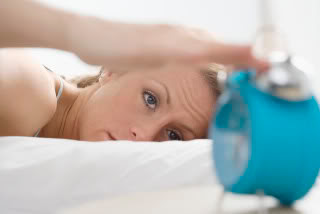
A multidisciplinary approach comprising of correct diet, healthy lifestyle practices and simple home remedies can help in effective treatment of most sleeping disorders including insomnia. 

Sleeping Disorders - Insomnia Facts and Research


Insomnia imageWhat Is Insomnia?

The Insomnia sleep disorder is also known as Wakefulness or Dysomnia and is an inability to sleep, or to sleep for long enough to get a proper night's rest. When you have trouble falling or staying asleep, you have insomnia.

The majority of researchers recommend that grownups need to sleep between six and eight hours nightly. Most of us work best on eight hours that includes REM time. Up to 20 million people in the United States alone have serious difficulty sleeping nightly.

Insomnia actually takes its name from the Latin word, which literally means “no sleep” or the inability to sleep (“In” means no and “somnus” means sleep). Insomnia is a term used to describe several types of sleeplessness. With insomnia, you experience a significant lack of sleep on a regular or frequent basis.

Insomnia usually takes one or more of the following forms:

Difficulty falling asleep - more common among young people.

Difficulty maintaining sleep (sleeping lightly and restlessly, waking often, lying awake in the middle of the night) - more common in people over 40. In younger people it may be associated with depression.

Waking early and being unable to get back to sleep - this is more common in older people and anyone worrying about something in particular.

Sleep Disorders Photo
There are two broad insomnia categories:

Transient insomnia - lasting for a few nights or weeks only, usually connected to a stressful event.
Chronic insomnia - lasting for several weeks, months or even years.

Insomnia is also classified into primary and secondary insomnia.

Primary insomnia is insomnia that is not caused by health problems. This is the most common type of insomnia.
Secondary insomnia is a symptom of another underlying condition that causes the insomnia. When you receive effective treatment for the underlying condition, the insomnia usually goes away.

People tend to sleep more lightly and for shorter time spans as they get older, although they generally need about the same amount of sleep as they needed in early adulthood. About half of all people over 65 have frequent sleeping problems, such as insomnia, and deep sleep stages in many elderly people often become very short or stop completely.

Insomnia Statistics:

Psychological causes:                     50%
Behavioural causes:
sleep environment                          30%
stimulants or medication                  10%
Physical causes:                            10%

The end result is poor-quality sleep that doesn’t leave you feeling refreshed when you wake up. Insomnia can cause excessive daytime sleepiness and a lack of energy. Insomnia also can limit the energy you have to spend with friends or family. Long-term insomnia can cause you to feel depressed or irritable; have trouble paying attention, remembering and learning; and not do your best on the job or at school. Women and the elderly are the most common targets of this sleep disorder.


Recommended Reading:

Types of Insomnia Medications

Medications and Sleep Aids for Insomnia 

There is a variety of different types of insomnia medications. The different categories of medication are usually used depending upon the underlying reason for your insomnia. Insomnia medications are divided into four broad categories:

Sleep aids photo- Sedative-hypnotics sleep medications;
- Antidepressants;
- Antipsychotic medications;
- Over-the-counter (OTC) Sleep medications.

Sedative-Hypnotics

Sedative-hypnotics are used to reduce the amount of time it takes to fall asleep and increase the duration of sleep. These medications are generally taken orally at bedtime, although some of the newer forms of sedative-hypnotics can be taken on an "as needed" basis whenever symptoms occur. Sedative-hypnotics classified as benzodiazepines.
Sedative-hypnotics fall into two categories: benzodiazepines and non-benzodiazepines.

Benzodiazepine Hypnotics

The most common benzodiazepine hypnotic drugs are under the brand names Halcion, Dalmane, Restoril and ProSom. These drugs work by influencing the benzodiazepine receptors in the brain, which help make you feel sleepy. It acts by increasing the action of gamma amino butyric acids, which involves in slowing down the transmission of nerve signals in the brain. Benzodiazepine insomnia medications can affect an ability to stay alert. They can also cause restless sleep.

Non-Benzodiazepine Hypnotics

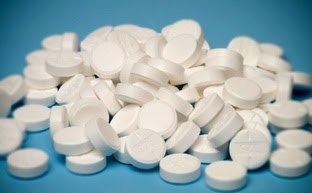
Sleeping pills pictureThe most common non-benzodiazepine hypnotic insomnia medications include Lunesta, Sonata and Ambien. One of the most used non-benzodiazepine drug is zolpidem or the Z-drug. It is a newly developed drug and like benzodiazepine drugs, these insomnia medication work on the receptors in the brain, however, non-benzodiazepine drugs have shorter half-lives, which means they leave the body more quickly. These drugs can provide a more restful sleep. The side effects are drowsiness and dizziness, impaired coordination and loss of alertness. These insomnia drugs work very fast, so they must be taken right before bed and a person should allow for a full night's sleep or the effects of the drug may still be present the next day.

Anti-Depressants

Antidepressants such as Elavil, Pamelor, Desyrel, Sinequan and Serzone are also used as insomnia treatments. These insomnia medications are usually only used for someone whose insomnia prevents them from staying asleep but not falling asleep. These insomnia drugs usually produce a side effect of drowsiness, which is why they are used as insomnia medications. The most common side effects of anti-depressants are dry mouth, constipation and blurred vision. Some people may also experience an increased heart rate.

Antipsychotic Medications

Even though these drugs can be prescribed for insomnia, most of them haven't been tested for this purpose and there are potentially serious side effects to using them.
The antipsychotic medications like Seroquel and Zyprexa, which are intended to treat psychiatric conditions like bipolar disorder, schizophrenia, and severe depression, have also been used to treat insomnia because of their effectiveness at getting people to sleep.

Over the counter (OTC) medications

Antihistamines such as Benadryl, Nytol and Sominex are the most common form of over-the-counter (OTC) sleeping aid. Although antihistamines are designed to block the chemicals that the body releases during an allergic outbreak, they have the ability to calm which makes them effective at encouraging sleep. However, this is a point of considerable debate. Some OTC sleep aids contain pain relievers and even if they don't, OTC sleep aids should never be taken with alcohol. Even though they're available without a prescription, it's advisable to consult with a medical professional before taking any type of sleep aid.

Insomnia Help Video - Sleep Restriction Therapy

Sleep Restriction Image10 Things you need to know about Sleep - Home remedies for insomnia. 

Have you tried all the “best sleep tips”; seen a doctor, dieted, exercised, excluded caffeine and bad foods, etc, and nothing seems to really working? If so, do not lose hope. Recently researchers have learned new and effective way to help insomniacs regain those few precious hours and even minutes of sleep. This one of the most effective natural insomnia treatments is called Sleep Restriction Therapy.

This possible option for treating insomnia seems to be paradox: You should restrict you sleeping time! This will help to reduce the time you spend awake in your bed tossing and turning and get rid of all worries about dificalty to fall asleep. Sleep Restriction will cause you to become tired again at the bed time and establish new routines to fall asleep.

Usually person starts sleep restriction therapy with only a very short period of sleep during each night. Then sleep time will increase until a normal sleeping time is achieved. If you find sleep for the short period of time you can increase the sleeping time by 15 or 30 min until you finally reach a normal amount of sleep according to your personal needs.


Sleep restriction therapy and Depression.
Insomnia and hypersomnia are both common depression symptoms. Doctors who suspect depression usually ask their patients about sleeping patterns. Depressed people suffering insomnia frequently get to sleep at a normal time but wake up after a few hours and pretty much are up for the morning at around 5 am.

Sleep restriction therapy can actually be a short-term depression treatment. It does not really work for everyone, and it is hardly a long-term depression cure, but sleep restriction can play a part in overcoming depression without drugs. Indeed, staying up past one's normal bedtime can often produce a feeling of euphoria.

The Power of Subconscious Mind

There's No Silver Bullet For Insomnia 

By Phil Tsang 
Are you spending your nights tossing and turning? Not being able to sleep is something we all could do without. It's a fact that we humans are sleeping less than we used to. With the stresses of life, it's probably the last thing we need.

Subconscious Mind ImageWhat's ironic is that although we have reduced the amount of hours we sleep per night, we can't seem to make use of those precious hours. Instead we spend the night restless and sleepless. Regardless of what we try, whether we take sleeping pills, count sheep or improve or sleep hygiene, we still end up with a poor sleep.

You may have searched for free insomnia advice and always find the same rehashed information that you've seen time and time again. It is possible to find quality information on the Internet about insomnia and sleep disorders, but what it really comes down to is implementing the advice.

There is no magic bullet for insomnia and sleeplessness. It takes time to overcome a sleep problem, especially if you have suffered for a long time, but it can be done. Most of us believe that there must be some sort of instant cure for insomnia. It's this ideology that we've developed from society that there must be a fast way to accomplish anything.

Fast meals, diet pills, fast trains, instant ab machines, the list goes on. We're a nation obsessed with convenience; we don't want it in 10 minutes, we want it in 5. Perhaps our minds and bodies are not suited for such a fast paced life. It's hard to believe that our ancestors were hunters and gatherers living in caves (probably sleeping better too!).

There's no doubt that a high proportion of the population feels the pressures of life. Anxiety and depression are becoming as common as the cold. With more people relying on medication to tackle their sleep problems, the mentality that insomnia quick fixes are the answer becomes more ingrained into society.

Big medical corporations only feed the public's need for fast answers. Silly when you consider that insomnia develops into varying degrees and forms. It's almost impossible to get away from the lures of so-called 'cures for insomnia' but what else can we do when we're desperate, sleep deprived and desperate for good sleep?

Believe it or not, the answer lies within you to beat insomnia. Yes, your subconscious is the key. It's the subconscious mind that makes us the way we are. Your emotions, thoughts and reactions are all derived from your subconscious mind. It's here where we are able to learn, create and develop ourselves further.

Through alternative therapies we can make a direct connection with the subconscious mind and make subtle changes to the way we think and feel. Consider the simple fact that the mind without negative thoughts, we are instantly happier. The subconscious mind carries many negative habits that we have ingrained through our lifetime.

Sleep Aids PhotoAnd just as you can ingrain negative habits and learn how not to cope with life's struggles, you can do the opposite. Instead of wanting to scream and curl up into a ball when faced with life's challenges, you can learn how to attack them with confidence. Instead of reacting negatively in a situation, you can choose to let it pass.

Just as you learn to walk, read, ride a bike and cook you can keep learning to do positive things that can have a huge impact on your life. Learning how to deal with insomnia and even cure it is very possible.
For most insomniacs a change is needed in how to overcome insomnia. Stop believing that there is an instant cure for everything. It's been fact that sleeping pills are no more effective than a sugar pill and many who suffer from chronic insomnia end up becoming long term users.

If you want healthy sleep, you need to really pay attention to your lifestyle and more importantly make gradual changes. No one knows you better than you do. Your thoughts, your emotions, your worries and anxieties can be controlled be you. Forget about curing insomnia overnight; focus on implementing positive sleep habits and reaching to the heart of the cause.


Click here and beat insomnia today. Visit www.howtobeatinsomnia.com/main.html today!
Article Source: http://EzineArticles.com/?expert=Phil_Tsang
http://EzineArticles.com/?Theres-No-Silver-Bullet-For-Insomnia&id=1693055

Insomnia Video Help - Relaxation Techniques

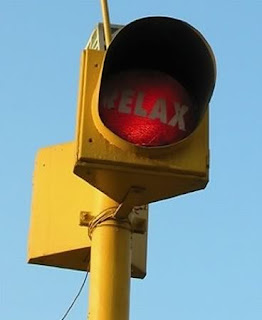
Relax Picture10 Things you need to know about Sleep - 5 Simple Ways to Relax Yourself to Sleep 

By Geoff Brown 
Most people will find they can not sleep at night due to a 'busy mind' at some point. This may be the result of anxiety or worry, or equally can be due to excitement or digesting some good news. Whatever the reason, relaxing yourself to sleep is a viable method of setting your mind at rest for long enough that you can drift into a soothing and regenerating night of recuperation. This article looks at 5 key relaxation methods for sleeping and discussed the merits of each one.

Technique #1 - Counting And Mental Distraction 
The most famous of the 'counting techniques' involves counting sheep as they jump over a gate. This is actually one of many related ideas which come under the broad heading of 'engaging your mind'. The idea being that you focus on counting to stop thinking about any worries or concerns.

Technique #2 - Abdominal Breathing Techniques 
Deep breathing, along with related progressive breathing techniques, can lead to relaxing yourself to sleep remarkably quickly. Like many of the relaxing methods, this can work even better when combining the physical effects with purely mental treatments such as counting. The focus on breathing deeper and slower, with the goal being to draw air downwards towards your abdomen is extremely relaxing and can result in sleeping very quickly indeed. 

Technique #3 - Progressive Muscle Relaxation 
Another physical relaxation idea, this can also be completed in parallel with mental distraction or visual imagery sleeping treatments. The idea is that you tense and then slowly relax muscle groups starting at the feet and slowly working your way up the body, slow and deep breathing is required and the process itself involves a certain amount of focus - preventing distractions due to a 'busy mind'. 


Technique #4 - Visual Imagery 
This can be thought of as a more advanced variation of the 'mental distraction' sleeping techniques outlined above. The idea is to utilize the power of your imagination - letting your mind wander to tranquil scenes at the same time as relaxing the body. While common choices include beaches and waterfalls, each individual is free to choose their own imagery, making this idea interesting as well as conducive to sleep. 

Technique #5 - Meditation 
Meditation is really the opposite of the imagery technique, since it involves clearing your mind of all possible thoughts and mental distractions. Performed alongside breathing and relaxing techniques, meditation is a powerful method of falling asleep for those who have been trained in how to achieve this tranquil state. 


For comprehensive yet straightforward information on sleeping disorders, insomnia treatments and tips for better sleep - click now to visit the number #1 dedicated insomnia information portal: Cures For Insomnia
Article Source: http://EzineArticles.com/?expert=Geoff_Brown
http://EzineArticles.com/?5-Simple-Ways-to-Relax-Yourself-to-Sleep&id=1681714

Sleep Problems

The Reality of Sleep Disorders

According to the National Institutes of Health, 50 to 70 million Americans are affected by chronic sleep disorders and sleep problems that can significantly diminish health, alertness and safety. Untreated sleep disorders have been linked to hypertension, heart disease, stroke, depression, diabetes and other chronic diseases, implicated with an increased mortality rate.

Sleep photoUntil the 1950s, most people thought of sleep as a passive part of daily lives. Now we know that brains are very active during sleep. Some scientists evidently said that during sleep our brains consolidate and organize memories of what we have seen and done during the day. When these memories are merged and organized, we will able to access the information that is required to solve any particular task.

Sleep problems can take many forms and can involve too little sleep, too much sleep or inadequate quality of sleep. Research has identified over 100 varieties of sleep disorders (sometimes referred to as somnipathy), each with a different cause.

Sleep experts break down sleep disorders into the next three categories:

1. Dysomnias
2. Parasomnias
3. Medical or Psychiatric Conditions

Dysomnia is a category of sleep disorder which includes insomnia, narcolepsy, restless legs syndrome, obstructive sleep apnea, hypersomnia, recurrent hypersomnia, periodic limb movement disorder, posttraumatic hypersomnia, circadian rhythm sleep disorders, delayed sleep phase syndrome, advanced sleep phase syndrome and non-24-hour sleep-wake syndrome.

Parasomnias include Sleep walking, Sleep talking, Sleep terrors/nightmares, toothgrinding and bedwetting. These are not considered to be dangerous unless you are sleeping next to the person! Such disorders may be attributed to any number of mental disorders or may be due to Mood disorders, Anxiety, Panic, Depression or excessive alcohol intake.

Medical or Psychiatric Conditions, the third and final category of sleep disorders that could serve to disrupt regular sleep patterns, includes psychoses (such as schizophrenia), mood disorders, anxiety, depression, alcoholism and panic.

Among the all above most common types are insomnia, sleep apnea, narcolepsy and restless leg syndrome.

Insomnia denotes a mix of trouble with falling asleep, an inability to sleep once disturbed, or waking up early in the morning. Causes include improper sleeping arrangements, smoking, anxiety, depression, stress, excessive sleeping during daytime, medical conditions, and so on. All of this results in lower energy level, fatigue, and dark circles around the eyes.

Sleep apnea occurs when the throat muscles relax to the extent of causing breathing to slop. This results in loud snoring and improper breathing. This can lead to heart failure.

Narcolepsy refers to drowsiness in the daytime that causes uncontrollable sleeping. Some persons experience hallucinations during this state.

Restless leg syndrome denotes an itchy, tingling sensation in the legs that causes discomfort. People feel relieved when they move their legs. Continuous leg movements make the person unable to sleep well.

Insomnia Symptoms and Signs

How To Recognize Insomnia?

Insomnia is a sleep disorder that is misunderstood by millions. While some people think that by staying awake they will get sleep disorder, others have various myths about this problem.
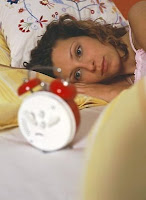
Insomnia symptoms photoInsomnia symptoms in some people may not be so obvious and vary by individual. Some may not have a hard time falling asleep, but they display insomnia in a different way. Some may wake up in the middle of the night and have difficulty going back to sleep. Most of the time, insomniacs have very unsatisfying and poor quality sleep.

There is various causes, ranking from environmental, to psychological, to physical. Any given insomnia symptom can stem from one or more of these factors. However, there are a few easily recognized symptoms and signs that lend themselves to a diagnosis of insomnia.

5 Symptoms of Insomnia you should be looking for:
Symptom #1: Difficulty falling asleep. Insomniacs lie in bed for hours in frustration, tossing and turning. Because of the poor quality of sleep they are tired for most of the day.

Symptom #2: Frequent wake ups. Insomniacs tend to wake up in the middle of the night and they are not able to go back to sleep. If they do manage to go back to sleep, it is often unsatisfying.

Symptom #3: Wake up too early. It is called terminal insomnia. Many people with terminal insomnia have no trouble getting to sleep when they go to bed. They have little trouble staying asleep either. They just wake up too early in the morning.

Symptom #4: Reverse sleeping pattern. Insomniacs have a hard time staying away during the day. They tend to take naps, but they still end up with little or poor quality sleep during the night.

Symptom #5: Feeling Anxious And Depressed. Anxiety and depression is another of the main symptoms of insomnia with nine out of every ten sufferers suffering with one or the other.

5 Signs of Insomnia you should be looking for:

Sign #1: Tiredness. This isn't your normal kind of tired. This is a true feeling of exhaustion and not wanting to do anything but sit on your couch and relax. If this feeling is always present, there is a good chance you have insomnia.

Sign #2: Irritability. You may become irritable because of your insomnia. It's not that some particular person is annoying you; it's just that everyone and everything around is an annoyance.

Sign #3: Poor Memory. You can recall what have happened, but you can't get into any ditails about it. It's as though there are pieces missing from your memory. It's more of a "I remember, but I don't really remember" kind of feeling. This is definitely one of the most annoying signs of insomnia.

Sign #4: Lack of Concentration. You can do necessary tasks and have short conversations with people, but you're only half way "there". In other words, you're not at all focused on the task at hand, whether that be working on your project or having a conversation with a friend. To summarize: the lights are on, but no one is home.

Sign #5: Impaired Reaction Time. Everything you do will be as you are in slow motion. This is probably one of the most severe signs of insomnia, as it not only impairs your physical reaction time, but it also deteriorates your mental reaction as well.

Pure Sleep ImageWhen It May Be Not Insomnia

As we age, our sleep tends to become lighter and last shorter. This is why elderly people often find themselves tossing and turning in bed in the middle of the night or in the early morning hours. As we grow older, our body tend to have a lower physical need for sleep, but most elderly people believe that they must sleep a certain amount of time. Thus, their sleeplessness is not really insomnia, but their body actually telling them it does not need more sleep and rest than it already had.